Build Engagement That Strengthens Trust Across Every Channel
Life sciences leaders share collaboration strategies that work
Life sciences leaders share collaboration strategies that work
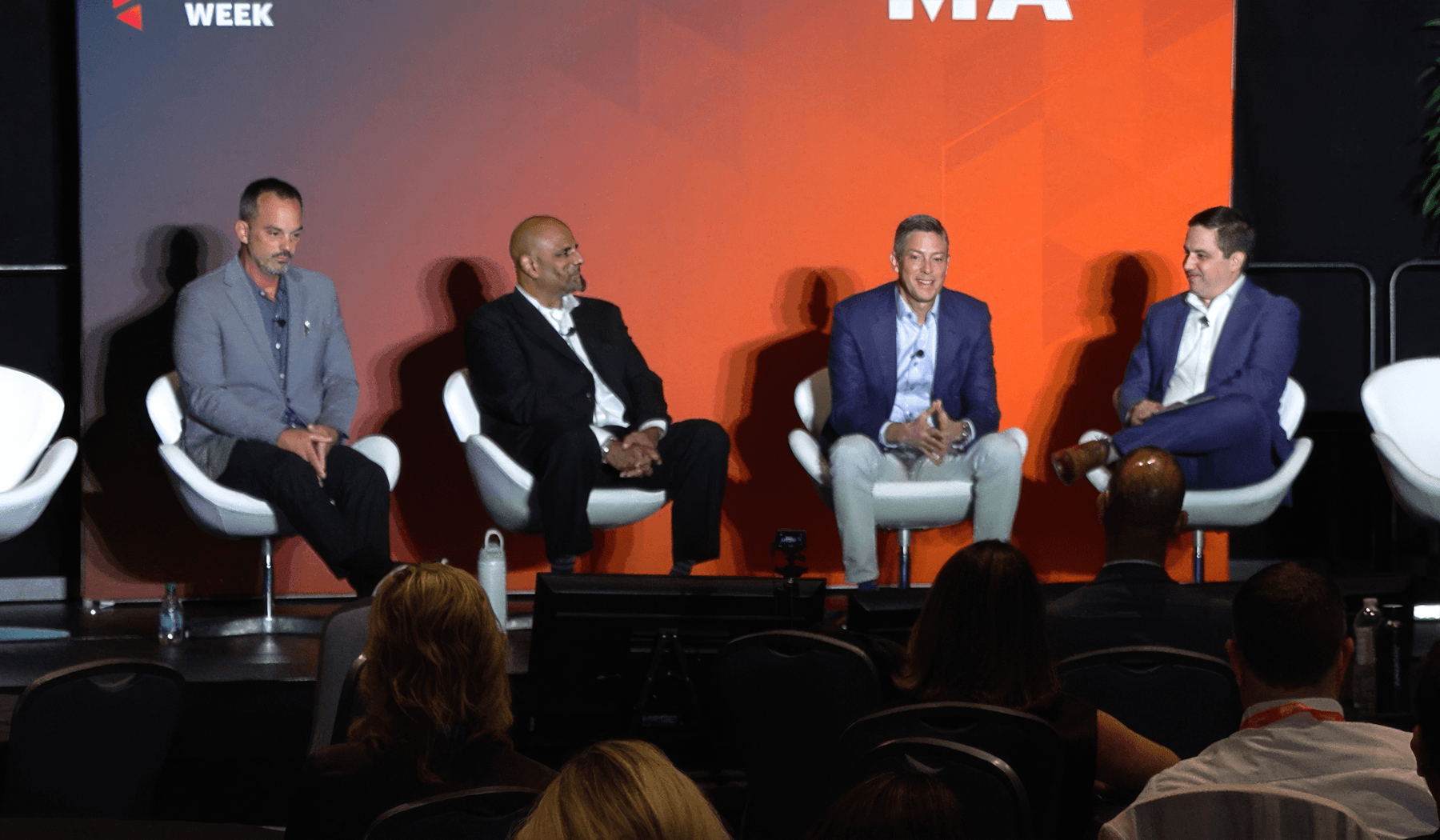
Despite significant investment across teams and channels, engagement can still feel fragmented to patients and healthcare providers (HCPs). At Fierce Pharma Week 2026, panelists explored how life sciences teams can help anchor engagement in clinical truth and how teams can collaborate without compromising scientific integrity or compliance.
Boehringer Ingelheim’s Global Integrated Medical Communications Pillar Lead Jason Howard, Ph.D., put the challenge in context:
“We’re in the age of AI. That has led to a fantastic proliferation of information…and disinformation. We have a lot of HCPs and patients asking themselves, ‘Who can I trust? What can I trust?’”
What it takes to make engagement feel connected
A connected strategy does not mean blurring the lines between Medical, Marketing, and Commercial. It means sharing insights, aligning on audience needs, and coordinating engagement while keeping each team’s role clear.
When teams coordinate effectively, patients experience:
- Clearer discovery: Patients locate relevant, reliable information faster
- Consistent messaging: Brands eliminate conflicting messages across touchpoints
- Frictionless journeys: Coordinated touchpoints support patients from pre-diagnosis to treatment adherence
Patients often seek information before diagnosis and can play a more active role in conversations with their care teams. As Eric Peacock, Co-Founder of MyHealthTeam and Chief Patient Officer at Swoop, summed up the shift: “Patients are the new HCP.”
His insight highlights an important shift: patient engagement belongs in the broader picture of how people learn about their health and prepare for care.
Seen, believed, and chosen
AI is changing how people find health information, and often, what they see may come from sources beyond a brand’s own channels. Eric described three tests for whether content earns a place in AI-generated answers: it must be seen by AI systems, believed as a credible and valid source, and chosen for reference.
To meet these standards, brand teams must build credibility beyond publishing on owned channels. Useful, accurate content that reflects patients’ questions and is grounded in medically reviewed information can help establish credibility wherever people look for answers. Eric noted that patient communities can offer a valuable source of aggregated patient perspectives and physician-informed content.
He also described patient-facing AI tools that draw on information people share and medically approved content to offer more personalized responses. The goal is to help people find relevant information and have more informed conversations with their doctors, not to replace those conversations.
The panel’s message: trust grows when teams coordinate around the needs of patients and HCPs, ground communication in clinical truth, and use data and AI responsibly. That takes more than adding channels. It takes shared strategy, clear guardrails, and attention to timing and context.