
From Anecdote to Evidence: How Patient Insights Drive Innovation and Success for Rare Disease Brands
Why “insomnia” vs. “disturbed nocturnal sleep” makes all the difference in narcolepsy care
Why “insomnia” vs. “disturbed nocturnal sleep” makes all the difference in narcolepsy care
Clinical definitions and brand messaging often fail to capture the invisible burdens of living with a rare disease. This disconnect can lead to misdiagnosis, stigma, and missed opportunities to shorten the patient’s journey to the right treatment.
Patient insights reveal critical gaps between clinical trial protocols and real-world patient experiences. By collaborating with Swoop Communities by MyHealthTeam on multiple studies involving social listening and patient surveys, Avadel expanded their understanding of patient language and experiences.
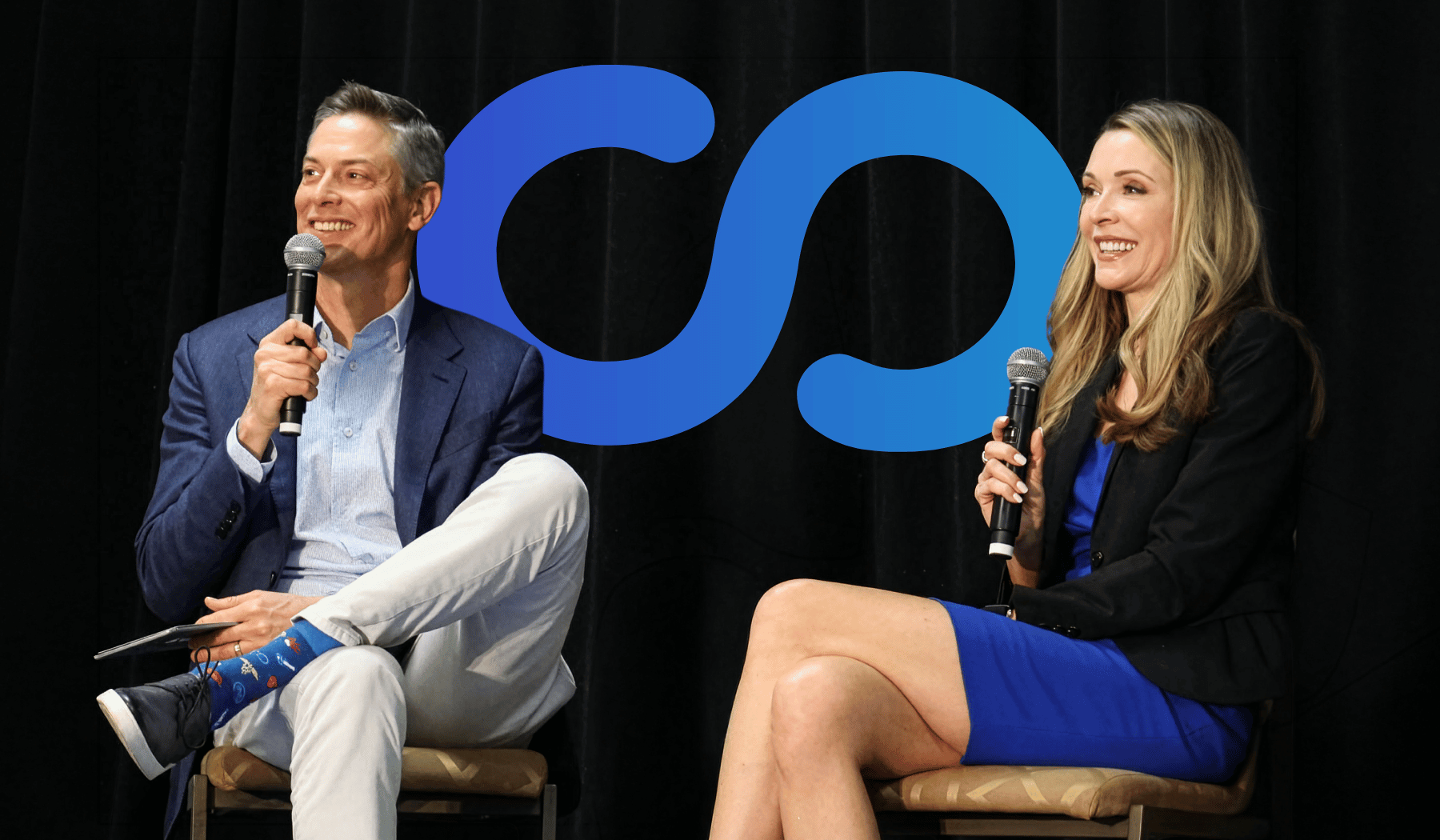
At the 2026 Rare Disease Summit, former SVP of Medical Affairs at Avadel Jennifer Gudeman and Co-founder and President of MyHealthTeam and Swoop Chief Patient Officer Eric Peacock discussed the critical importance of listening to patients and the research studies informing medical affairs strategies, clinical trial design, and commercial approaches.
“There is nothing that beats hearing directly from people who are living with a rare disorder,” Jennifer said. One research project debunked a common narcolepsy misconception: That Narcolepsy Type Two (NT2) is less severe than Narcolepsy Type One (NT1). The findings challenged the status quo for the therapeutic area and unlocked better treatment options for patients.
In another research project, Avadel discovered the importance of using the same lexicon as patients. While the manufacturer and healthcare providers (HCPs) used the term “disturbed nocturnal sleep”, many patients participating in surveys found it foreign. However, when using the colloquial term “insomnia,” patients identified with the symptom more clearly. This disconnect in terminology may have led to delayed diagnoses, as primary care physicians might not immediately associate insomnia with narcolepsy.
“It was eye opening to the clinicians that our field medical team engaged with,” Jennifer said. “And it was really validating to the patient community because they felt like they weren’t being heard when they would talk about that symptom.”
Alignment starts with the true patient experience
Beyond the research findings, Eric and Jennifer shared how aligning medical affairs and brand teams around the true patient experience can improve diagnosis, adherence, and care across any therapeutic area.
“My philosophy in leading medical affairs has always been that you have a responsibility to the community to continue to generate data that’s going to be meaningful to clinicians who are making prescribing decisions that will impact patients and meaningful to the patient community,” Jennifer said. “And that is one of the places where our partnership was so lovely. We were able to continue to generate meaningful data.”
By making the patient voice part of a manufacturer’s organizational DNA and bridging the gap between medical affairs and commercial teams through evidence-based patient research, we can improve patient experiences and health outcomes.